

Technology & Innovation
Explore Technology & Innovation across the Smithsonian through stories, events, and exhibitions. Use the filters to browse by format, then bookmark events and exhibitions to keep track of what you want to visit or attend.
476 results


Seven participants had electrodes temporarily implanted in a brain structure important for learning. While anesthetized, their nerve cells learned to differentiate between distinct sounds—and could even predict upcoming words in phrases.

According to a new study, people who are exposed to art on a weekly basis are about a year younger “biologically” than those exposed only once or twice per year.

In 1955, Jean Ross Howard Phelan gathered every woman helicopter pilot she could find to form an international organization. Today on AirSpace, a helicopter history lesson and the story of the Whirly-Girls.

The long-term mammal monitoring project on Smithsonian’s Barro Colorado Island (BCI) is one of the most unique camera trap systems in the tropics and the first one of its kind.

The single-celled organisms usually shimmer for mere milliseconds, but researchers figured out how to sustain their illumination. The technology could one day be used to light robots’ ways in the deep sea or space.

Roald Amundsen and Umberto Nobile, along with an international crew, completed the first verified crossing of the North Pole by air in the airship Norge on May 12, 1926.
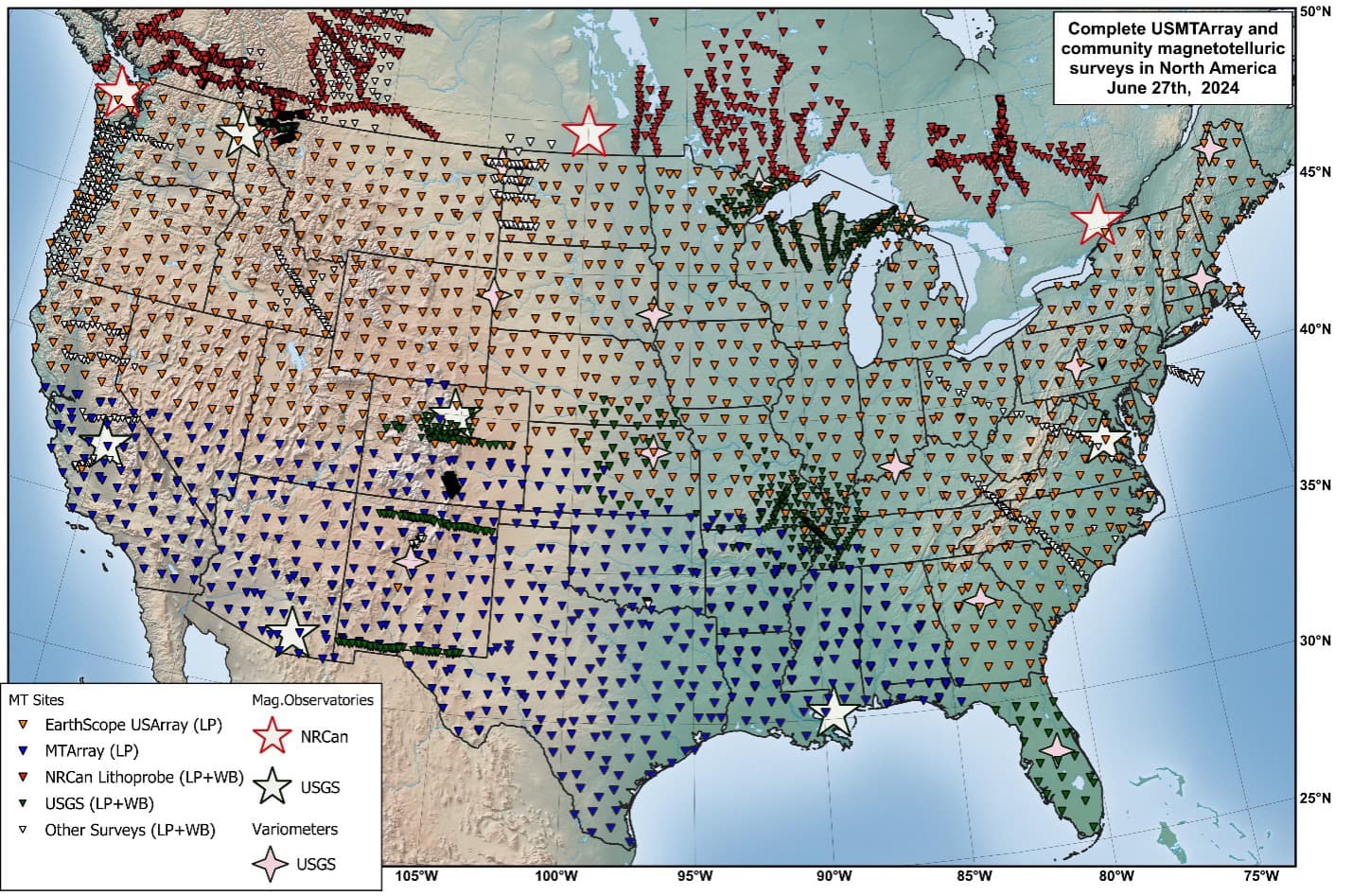
Scientists have developed new tools to detect solar storms before they strike by mapping the hidden electrical structure beneath our feet, revealing how the ground itself could influence the impact on our power grid.

The humanoid promised to obey humans, save energy and treat other robots peacefully. South Korean Buddhist leaders have recently started to embrace artificial intelligence.